Six details to confirm before requesting a copper quotation
Two inquiries for “copper tube” can describe very different products. A useful quotation starts with an agreed product specification. The following six checks help buyers prepare a comparable, workable inquiry without assuming that a product name or certificate covers every requirement.
1. Name the material and governing standard
State the copper designation and the applicable product standard or drawing. C11000, C10200 and C12200 are different designations; do not substitute one for another on the basis of copper colour or a general purity statement.
Include the intended use and any required electrical, mechanical or joining properties. If the designation is not yet fixed, describe the application and ask for the material choice to be clarified before ordering.
- Material designation and standard edition
- Product form and intended application
- Any permitted substitution and its approval route
2. Give dimensions with units and tolerances
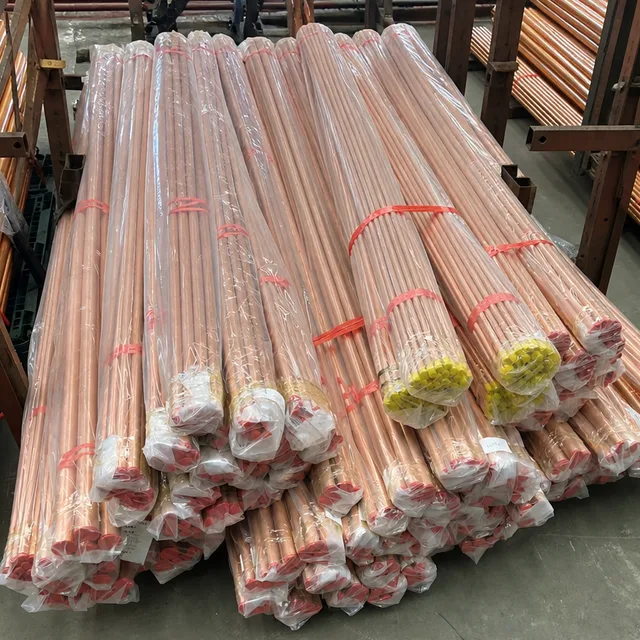
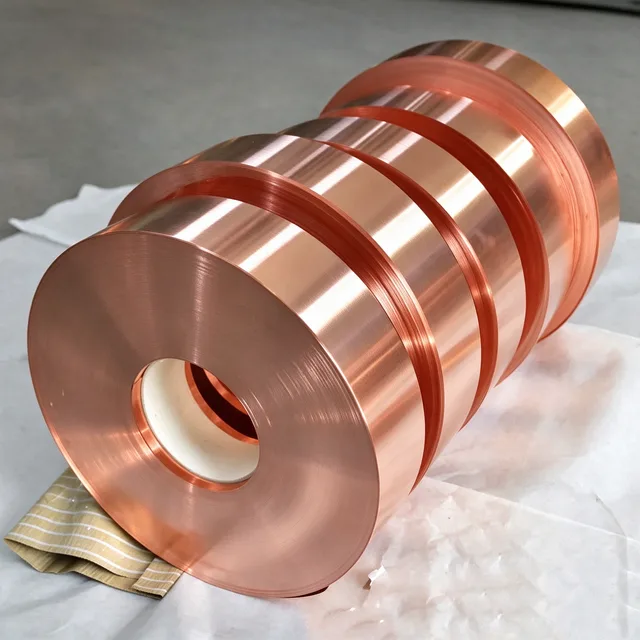
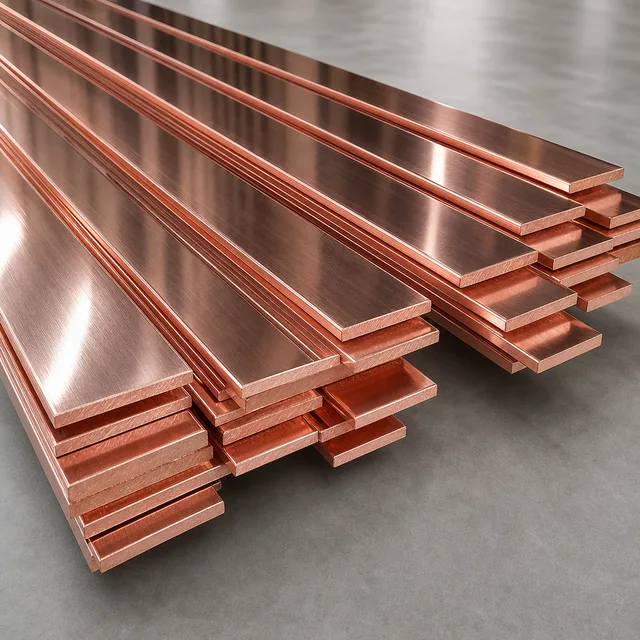
For tube, provide outside diameter × wall thickness × length. For sheet or strip, give thickness × width and the sheet length or coil dimensions. For a busbar, state thickness × width × length and any hole or bend drawing.
For wire, distinguish the individual-wire diameter in mm from a stranded conductor’s metallic area in mm². For fittings, label every port with the tube size and connection type. Nominal plumbing sizes, actual tube OD and thread designations are not interchangeable.
- Dimensions and units for every item
- Standard tolerances or tighter drawing requirements
- Drawing revision and measurement basis
3. Describe the material condition and next process
The same material designation can be supplied in different conditions. State the required temper or mechanical properties and explain whether the material will be bent, stamped, drawn, machined or joined.
Terms such as “soft” or “half hard” should be tied to the selected product standard and the required properties. Where needed, agree hardness, tensile strength or elongation limits and the test method.
- Temper designation under the applicable standard
- Next manufacturing operation
- Mechanical-property requirements where relevant
4. Define the surface and functional details
State bare copper, tin plating or another specified finish. For plated busbars, identify the coating coverage, thickness requirement, masking and whether critical dimensions apply before or after plating.
A photograph does not establish coating thickness, insulation class or connection compatibility. For insulated wire or sealed fittings, provide the exact insulation or connection-system specification.
- Finish and critical functional areas
- Coating or insulation requirements where applicable
- Holes, edges, bends, seals or mating-component details
5. Separate order quantity from package size
Give total quantity and quantity by size or item. Then specify the acceptable spool, coil, bundle, carton or pallet size. A total order weight does not define the maximum weight of each package.
Include the delivery country or port, handling limits and required protection. Coil bore and outer diameter, supported straight lengths, end protection and clear item labels can matter to unloading and the next production step.
- Total quantity and quantity per item
- Net weight or length per spool, coil or bundle
- Packing, handling limits and delivery destination
6. Match inspection documents to the actual supply
List the documents and inspection evidence required before the order is confirmed. A material report, a third-party test report and a management-system certificate answer different questions.
For a material report, agree the batch identification, properties, methods and acceptance limits. If EN 10204 3.1 documentation is required, request confirmation of the document type and issuing scope. For a third-party test, agree the sample and report scope. ISO 9001 concerns the management system; it is not a batch test report or a blanket product approval.
- Material identity and batch traceability
- Required test results and acceptance criteria
- Inspection body, document type and report scope
Three types of evidence to keep separate
| Evidence | What to clarify |
|---|---|
| Material test report / MTC / MTR | Connection to the supplied batch, material designation and agreed test results; confirm any requested EN 10204 document type. |
| Third-party inspection or test report | Who tested which sample, using which method, with what result and acceptance criteria. |
| Management-system certificate | Certified organization, scope and validity. It describes the management system rather than the results for each shipment. |
A useful RFQ format
Product / material and standard:
Dimensions, units and tolerances:
Temper / next operation:
Surface / drawing revision:
Quantity per item / packing limits:
Destination / required inspection documents:
Purchasing note
Use the checklist as a starting point, then confirm the product-specific standard and order requirements. The quotation should identify the agreed supply specification; this guide does not assign product ratings or replace application design.