Strip and coil describe different attributes
Strip describes the flat material; coil describes how it is wound and supplied. This page covers flat-rolled copper strip and wide coils. Coiled copper tube is a separate product.
From narrow slit strip to wide flat-rolled coil, select copper feedstock around your stamping, forming or electrical application. Compare the essentials below, then send the dimensions your production line needs.
Enlarge any thumbnail to explore all seven photos, from strip widths and coil surfaces to protected pallet packing.
The examples below help define a purchase inquiry. Width, thickness, temper and coil size must work together with your tooling, decoiler and handling limits.
The dimensions below are practical sourcing examples, not a confirmed stock list or manufacturing limit. Supply combinations and tolerances are confirmed for the selected grade, temper and order.
| Form / dimension | Common inquiry examples | Selection notes |
|---|---|---|
| Thin strip · thickness | 0.15, 0.20, 0.30, 0.50 mm | Formed tabs, stamped blanks and thin conductive parts. Include burr, thickness tolerance and the bend or forming requirement. |
| Strip · thickness | 0.8, 1.0, 1.5, 2.0 mm | Conductive links and fabricated parts; select temper, edge condition and tooling clearance for the part geometry. |
| Slit strip · width | 15, 20, 25, 30, 50, 100 mm | Width examples for feeding and nesting. State width tolerance, edge burr limit and camber measured over an agreed length. |
| Wide coil · width | 300, 400, 600, 1,000 mm | For subsequent slitting, blanking or cut-to-length processing. The feasible width × thickness combination needs order confirmation. |
| Coil inside diameter · ID | 300, 400, 500, 600 mm inquiry references | Match the decoiler mandrel, core requirement and feed direction. The specified ID is not the maximum outside diameter. |
| Coil OD, weight & winding | Machine-specific OD limit; weight and winding by agreement | Specify maximum coil OD and unit weight, winding orientation, splice policy and handling restrictions. Unit coil weight is separate from total order quantity. |
Strip describes the flat material; coil describes how it is wound and supplied. This page covers flat-rolled copper strip and wide coils. Coiled copper tube is a separate product.
Nominal thickness and slit width define the feedstock cross section. ID, OD and unit coil weight determine whether the coil fits your decoiler and handling system.
A common selection for conductive strips and electrical blanks. Specify conductivity, temper and mechanical requirements for your component and forming process.
Consider for specified electrical, thermal or joining requirements. Identify the exact grade and required test evidence rather than treating all oxygen-free designations as interchangeable.
A deoxidized option for appropriate forming and joining applications. Its conductivity differs from electrical grades. State ASTM B152/B152M, EN 1652 or the relevant product standard and condition.
Strip can be blanked into tabs, links and conductive parts. Include conductivity, contact-face condition, hole layout and any plating requirement in the component specification.
Slit widths can be chosen around tooling layouts and material utilization. Width consistency, burr direction, temper and camber matter for feeding and forming; include the drawing and bend requirements.
Where the design calls for flat copper conductors, specify cross section, edge condition, winding geometry and insulation requirements. The finished electrical system determines suitability.
Wide flat-rolled coil can be considered for subsequent slitting, blanking and cut-to-length production. Confirm coil handling limits, surface protection and the intended downstream process.
Provide the slit-width list, quantities and tolerance. Include burr direction and edge criteria; the feasible thickness / width / temper combination is confirmed in the quotation.
Soft, half-hard and harder conditions behave differently during bending and feeding. Use the selected standard and component drawing to agree material condition and acceptance tests.
State bare or requested coated finish, visible-face requirements and the need for deburring or special edges. Coating and edge-processing options are reviewed before being offered.
Identify coil ID, OD and weight limits, feed direction and core needs. Mark grade, dimensions and batch details so coils remain identifiable through storage and processing.
Send the thickness, width and application you know. If the grade or coil format is still undecided, describe your process so the quotation can address the remaining questions.
Request a strip & coil quotationNo. The copper coils on this page are flat-rolled sheet or strip wound into a coil. Copper pancake coils made from tubing are listed separately.
Start with thickness, width, total quantity and application. Add grade, temper, ID / OD limits, edge requirements and destination when available. You can still ask for a specification discussion if some details are undecided.
List each width, the quantity for each, material condition and coil limits. The quotation confirms feasible combinations, processing and packing for the complete order.
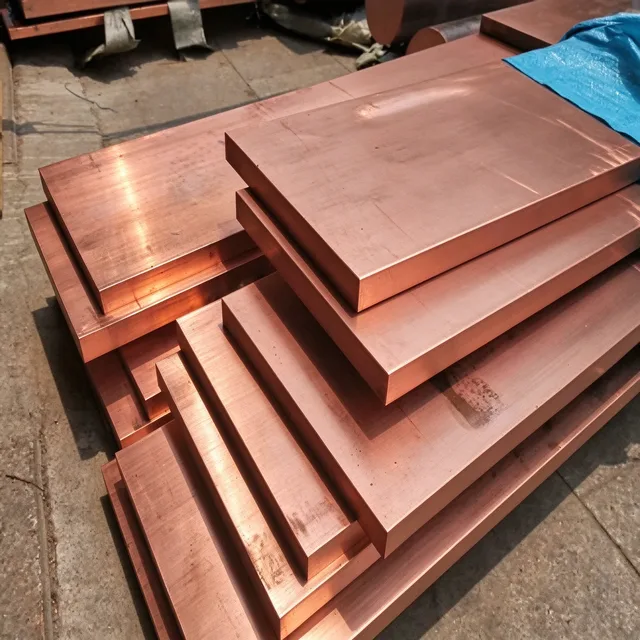
Copper sheets and plates for forming, conductive blanks, thermal parts and architecture. Explore thicknesses, panel sizes, finishes and packing.
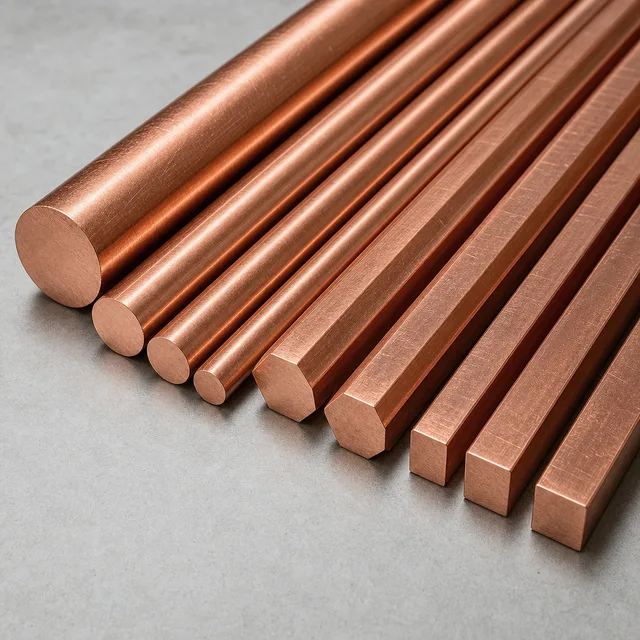
Round, square and hexagonal copper bars for machining, conductive parts and thermal components. Explore dimensions, grades and cut-length requirements.
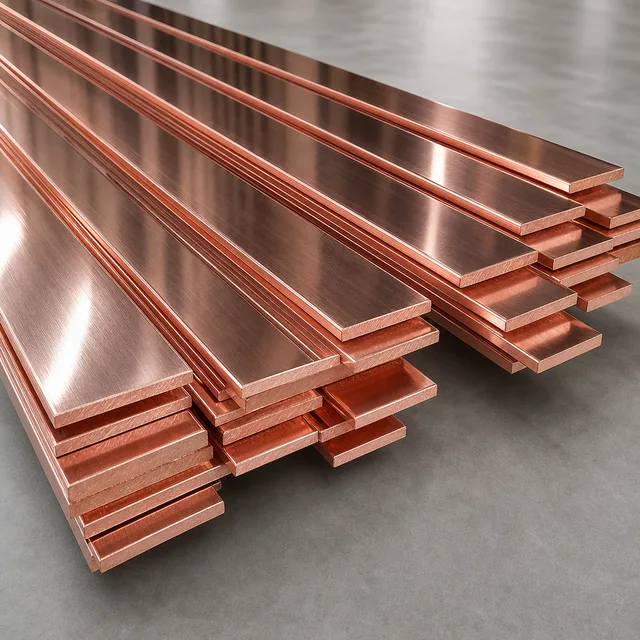
Bare and tin-plated copper busbars for electrical connections. Explore flat-bar sizes, edge profiles, finish requirements and drawing-based processing.