Metric and inch requests
Send the exact unit and section dimensions. For inch drawings, retain the original values and tolerances rather than rounding the purchase specification to whole millimetres.
Round, square, hexagonal and flat copper stock for electrical components, precision machining and heat-transfer parts. Select the section, grade and delivery condition around the part you plan to make.
Select a thumbnail to enlarge and browse all six product and packing photos.
Round stock is specified by diameter; square and hex stock by side or across-flats size. Flat bar requires thickness × width. Leave enough stock for machining and describe any automatic bar-feeder requirements.
The dimensions below are practical sourcing examples, not a confirmed stock list or manufacturing limit. Supply combinations and tolerances are confirmed for the selected grade, temper and order.
| Form / dimension | Common inquiry examples | Selection notes |
|---|---|---|
| Round rod · diameter | Ø 6, 8, 10, 12, 16, 20 mm | Smaller turning blanks, pins and contact components; select diameter above the finished part size when machining is required. |
| Round rod · diameter | Ø 25, 30, 40, 50, 60 mm | Larger machined contacts and thermal parts; agree diameter, ovality, straightness and machining allowance. |
| Square bar · side length | 10 × 10, 20 × 20, 30 × 30, 40 × 40 mm | Milled blocks, contact pieces and fixtures; specify corner condition and allowance for finishing. |
| Hex bar · across flats | AF 10, 12, 17, 19, 22, 30 mm | Hexagonal parts and wrench flats; use across-flats size, not the distance across opposite corners. |
| Flat bar · thickness × width | 5 × 20, 10 × 30, 10 × 50, 20 × 50 mm | Contact blanks and conductive links; specify edge radius, straightness and any bending requirements. |
| Length & cut pieces | 3,000 mm inquiry reference; drawing-defined cut lengths | State the finished or stock length, cut allowance, pieces per size and maximum bundle length. |
Send the exact unit and section dimensions. For inch drawings, retain the original values and tolerances rather than rounding the purchase specification to whole millimetres.
A saw-cut blank needs machining allowance. A finished dimension requires separate agreement on tolerances, surface finish, burrs and edge geometry.
A common starting point for conductive contacts and general electrical components. Specify the required conductivity, temper and mechanical properties for the part.
Consider when oxygen content, joining conditions or the component specification calls for oxygen-free stock. Identify the exact grade; these designations are not interchangeable quality labels.
Hard-drawn stock can suit rigid feedstock; softer conditions may help forming. State ASTM B187/B187M or the appropriate project standard, its edition and the required material condition.
Round and shaped bars provide blanks for turned contact pins, terminals and current-carrying connectors. Conductivity, contact geometry and plating requirements should be defined for the assembly.
Round rod suits rotational parts; square and hex stock can reduce removal for matching profiles. Include workholding length, machining allowance and burr requirements to plan material use.
Solid copper stock can be machined into heat-spreading blocks, conductive inserts and thermal connectors. Grade, mating-surface finish and final geometry influence the component design.
Flat and shaped bars can be starting material for electrical links and equipment components. Current rating, insulation clearances and fastening design belong to the complete assembly specification.
Provide the cut list, number of pieces and allowance. Agree saw finish, end squareness and deburring rather than assuming a cut blank is a finished component.
Describe turning, drilling, milling or bending needed after delivery. Any requested factory processing is reviewed from the drawing before it is included in the quotation.
Specify drawn or machined surface expectations, scratches to control, edge radii and chamfers. Coating or plating requests need an agreed finish and inspection criterion.
Use the drawing number, revision, grade and heat or batch identification on the order and packing marks to support repeat procurement.
Include the required quantity, destination, preferred trade terms and delivery schedule. Add the drawing revision and any inspection documents needed.
Request a rod & bar quotationSpecify the distance across two opposite flats, usually written AF. The across-corners measurement is different and should not be used in its place.
Check chemistry, conductivity, joining conditions and the product standard first. Provide the specified grade and let any proposed substitution be reviewed for the actual component.
Include stock size, straightness, length and machining allowance, plus any finished dimensions that must already be met at delivery. A material bar tolerance is not automatically a finished-part tolerance.
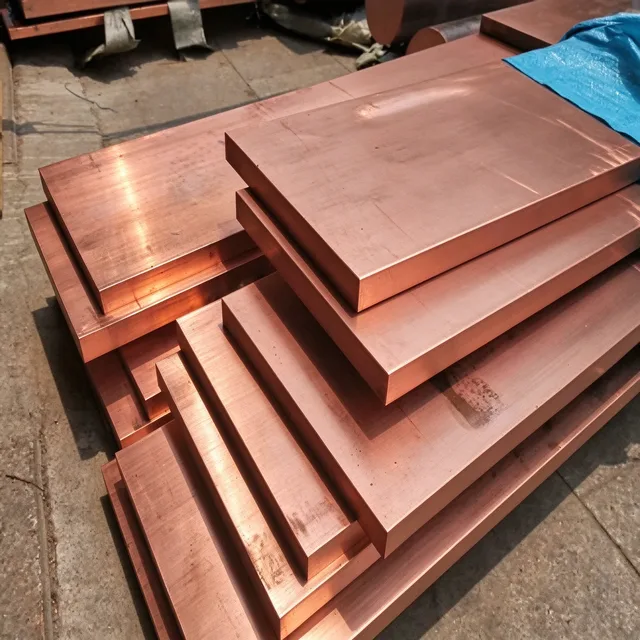
Copper sheets and plates for forming, conductive blanks, thermal parts and architecture. Explore thicknesses, panel sizes, finishes and packing.
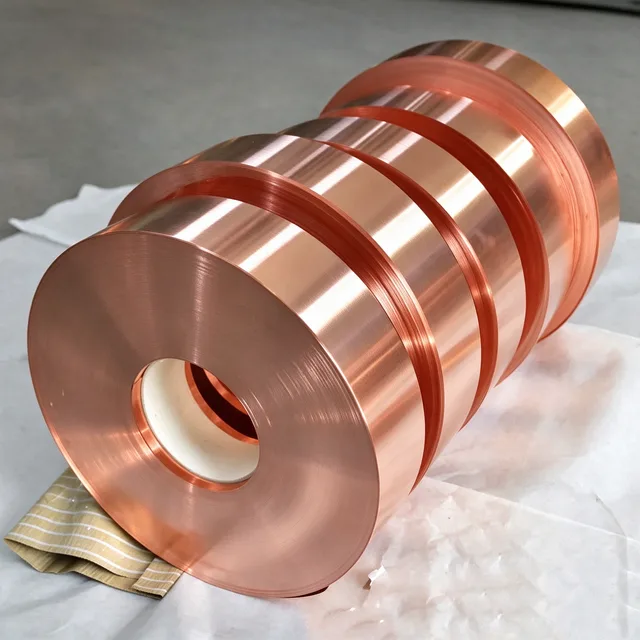
Copper strip and flat-rolled coils for stamping, conductive parts and fabrication. Explore thickness, slit width, material condition and coil dimensions.
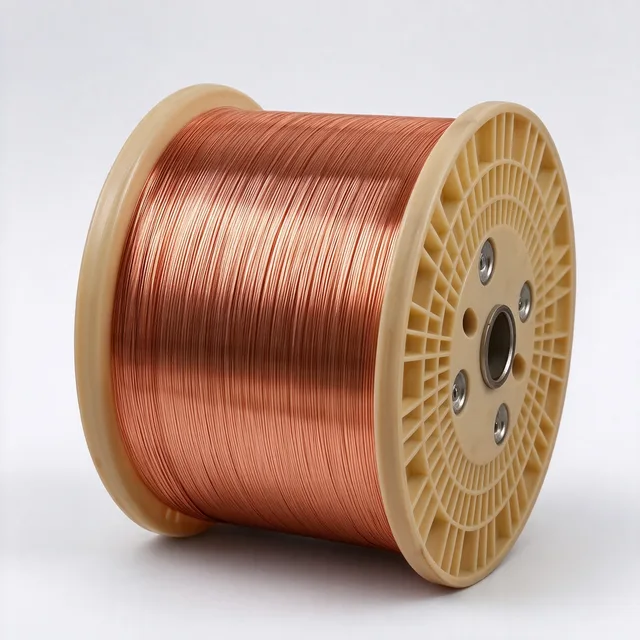
Copper wire on spools or in coils, plus stranded copper conductors. Specify diameter or strand construction, temper, surface condition and package requirements.