Define thickness and flatness separately
Thickness tolerance controls material gauge; flatness controls the surface profile across the panel. Include the measuring area and any tighter requirement for contact or mating faces.
Copper sheet and plate for formed parts, conductive blanks, thermal components and architectural details. Specify thickness, panel size, material condition and surface expectations for your project.
Select a thumbnail to enlarge and browse all seven rolling, surface, stock and packing photos.
Thin sheet is often selected for forming; thicker plate provides stock for machining. The examples below help structure an inquiry. Specify the full thickness × width × length and whether you need a stock panel or a finished blank.
The dimensions below are practical sourcing examples, not a confirmed stock list or manufacturing limit. Supply combinations and tolerances are confirmed for the selected grade, temper and order.
| Form / dimension | Common inquiry examples | Selection notes |
|---|---|---|
| Thin sheet · thickness | 0.5, 0.8, 1.0, 1.5, 2.0 mm | Formed covers, stamped blanks and decorative details; include bend direction, temper and handling needs. |
| Sheet · thickness | 3, 4, 5, 6 mm | Fabricated blanks, conductive plates and equipment panels; agree cutting method, edge condition and flatness. |
| Plate · thickness | 8, 10, 12, 15, 20 mm | Machined thermal parts and contact blocks; allow for face machining and control finished thickness separately. |
| Heavy plate · thickness | 25, 30, 40, 50 mm | Thicker machining blanks and thermal blocks; review grade, internal-quality needs, piece weight and lifting arrangements. |
| Panel format · width × length | 1,000 × 2,000 mm as an inquiry format; cut sizes by drawing | Panel availability depends on thickness, grade and temper. A nominal panel dimension does not define squareness or edge tolerance. |
| Cut-size blank | 200 × 300 mm or 500 × 500 mm examples; thickness stated separately | Provide the nesting / cut list, piece count, grain direction if relevant and remaining machining allowance. |
Thickness tolerance controls material gauge; flatness controls the surface profile across the panel. Include the measuring area and any tighter requirement for contact or mating faces.
State which face is visible or functional, the permitted scratches, finish direction and protective film. For formed parts, include bend radius, rolling direction and temper in the drawing.
Commonly considered for conductive sheet blanks and general fabrication. Define conductivity, strength and forming needs rather than selecting by colour or purity alone.
A grade request for specified electrical, thermal or joining requirements. State the exact designation, condition and required test evidence for the component.
A deoxidized copper option for forming and suitable joining or architectural requirements. Conductivity differs from electrical grades; specify ASTM B152/B152M or the relevant product standard and temper.
Sheet and plate can be cut into terminal plates, conductive links and contact blanks. Grade, conductivity, hole layout and contact-surface condition should match the electrical assembly design.
Plate provides machining stock for heat-spreading bases and thermal interfaces. Final flatness, thickness and contact finish should be defined on the part drawing; material thickness alone does not define thermal performance.
Thinner sheet can be blanked and formed into covers, shields and fabricated components. Temper, rolling direction and bend radius help determine forming behaviour and surface appearance.
Copper sheet can be formed into cladding details, decorative panels and crafted surfaces. Specify finish direction, matching appearance and protection; natural oxidation changes the colour over time.
Provide a cut list and identify rough blanks versus finished dimensions. Sheared or saw-cut material may require finishing; the method and allowances are confirmed in the quotation.
For holes, slots, milled faces or shaped blanks, provide the drawing and inspection dimensions. Requested processing is reviewed before being offered as part of the order.
Request interleaving paper, protective film or an agreed surface finish. Define whether one or both faces need cosmetic protection and whether the film is suitable for your next operation.
Specify deburring, corner radii, edge finish and forming direction. Separate stock flatness from any tighter flatness needed after bending or machining.
Include the required quantity, destination, preferred trade terms and delivery schedule. Add the drawing revision and any inspection documents needed.
Request a sheet & plate quotationThe terminology depends on the product standard and market. State the exact thickness and specification rather than relying on the word sheet or plate to define the order.
Clean, dry storage and suitable interleaving or protective film reduce handling marks and moisture exposure. Copper naturally oxidizes; agree any appearance and packaging criteria before shipment.
Only when the agreed finish, dimensions and tolerances meet the assembly drawing. A rough cut blank may need edge finishing or machining before use.
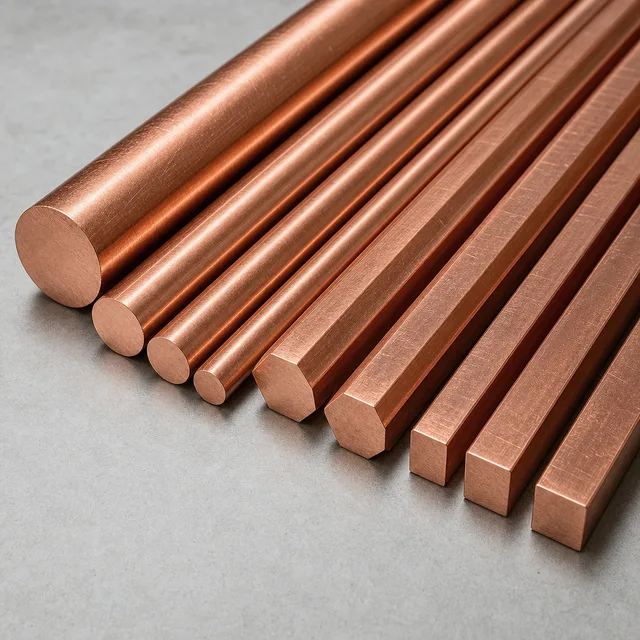
Round, square and hexagonal copper bars for machining, conductive parts and thermal components. Explore dimensions, grades and cut-length requirements.
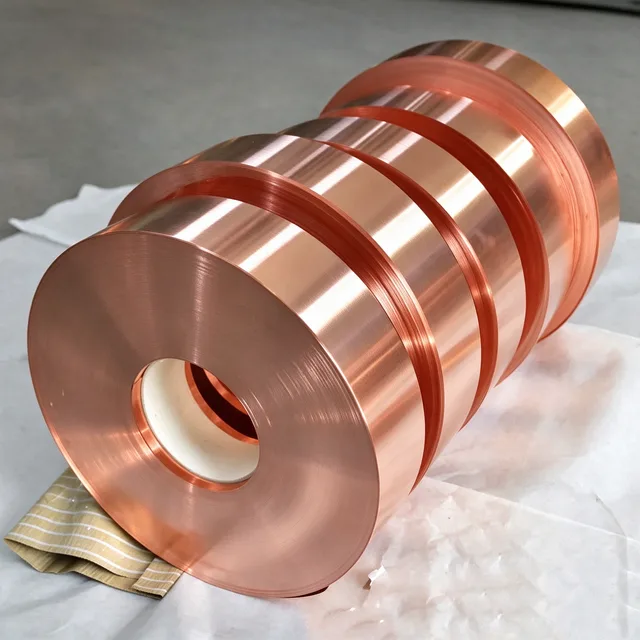
Copper strip and flat-rolled coils for stamping, conductive parts and fabrication. Explore thickness, slit width, material condition and coil dimensions.
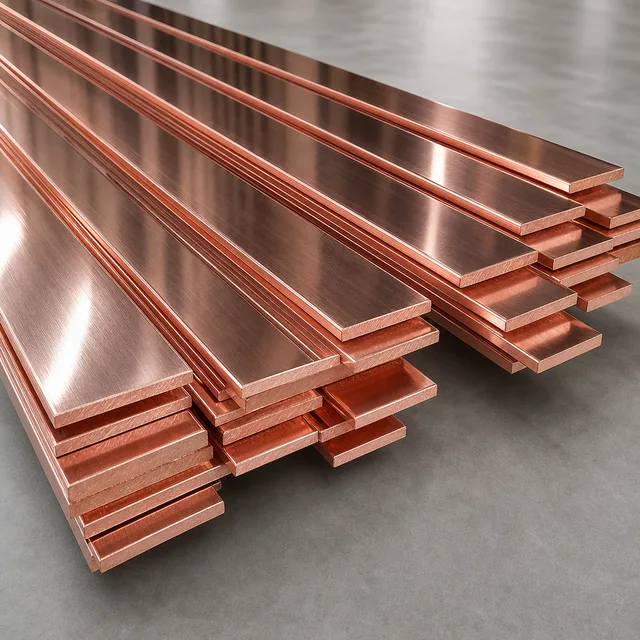
Bare and tin-plated copper busbars for electrical connections. Explore flat-bar sizes, edge profiles, finish requirements and drawing-based processing.